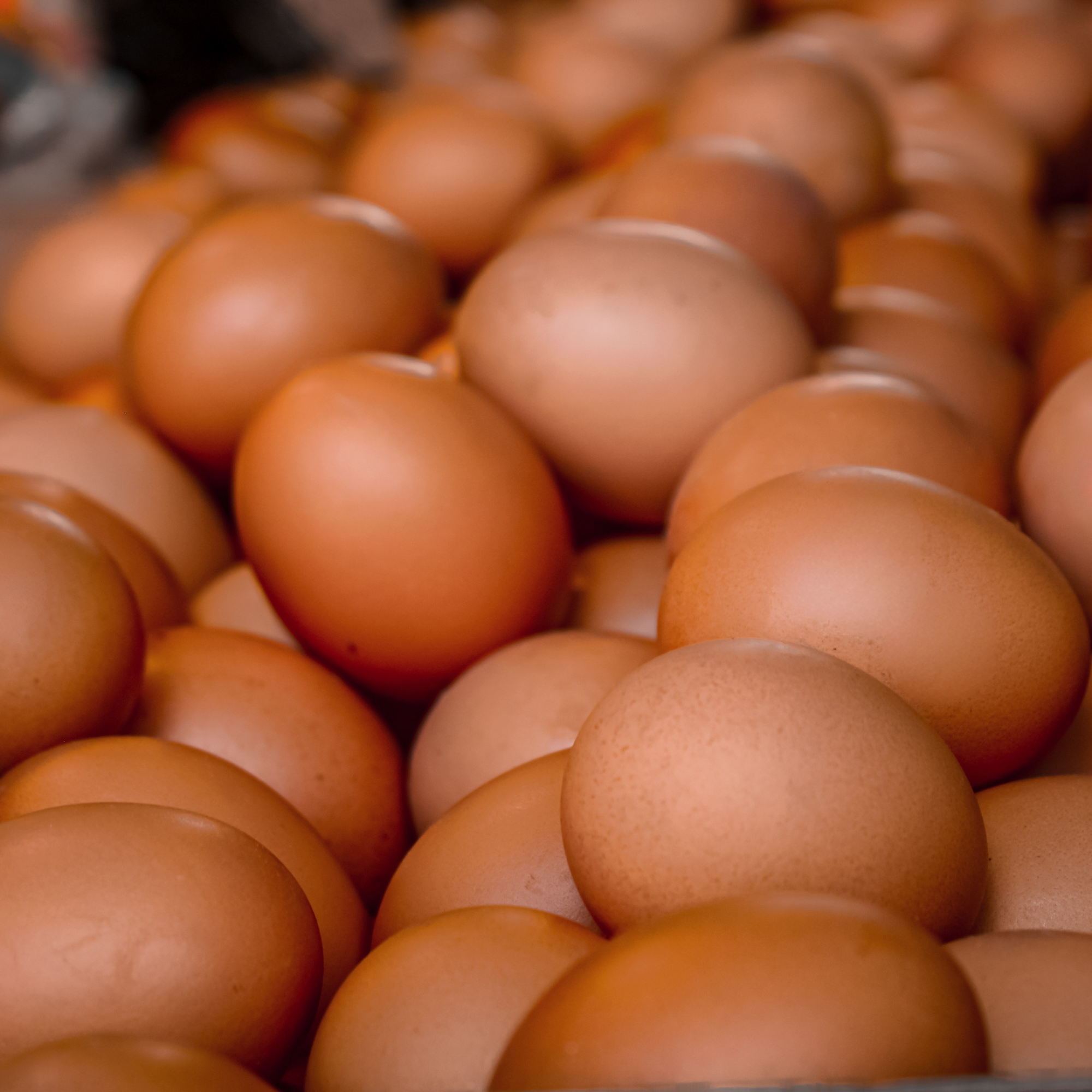
The Ultimate Food Safety Checklist for Handling Bulk Eggs in Victorian Commercial Kitchens
Navigate the Victorian Food Act and protect your venue from cross-contamination and penalties.
Running a commercial kitchen in Victoria means navigating some of the strictest food safety regulations in Australia. While fresh produce and meat handling get the most attention, one of the highest-risk items in your walk-in fridge is often overlooked: raw shell eggs.
Under the Victorian Food Act, mishandling raw eggs is a fast track to severe health inspection penalties, temporary closures, and irreversible brand damage. If your cafe, bakery, or catering company is still cracking hundreds of shell eggs daily, you are carrying unnecessary operational liability.
Here is what you need to know to stay compliant—and how to permanently eliminate the risk.
! The True Cost of a Health Inspection Failure in Victoria
Local councils in Melbourne and surrounding areas have zero tolerance for Salmonella outbreaks linked to commercial venues. Cross-contamination from raw eggshells is a primary culprit.
If an inspector finds evidence of improper raw egg storage or handling, the consequences are immediate:
-
Steep Financial Fines: Non-compliance penalties can devastate a venue's monthly margins.
-
Public Naming & Shaming: Health code violations are publicly recorded, instantly destroying customer trust.
-
Operational Downtime: Forced closures while your kitchen undergoes mandatory deep cleaning and staff retraining.
Victoria’s Strict Rules for Raw Egg Storage & Handling
To pass a Victorian health audit, your kitchen must rigorously adhere to the following protocols if you use raw shell eggs:
1 The 2-Hour/4-Hour Rule
Any food containing raw or lightly cooked eggs (like hollandaise, mayonnaise, or tiramisu) must strictly follow time and temperature controls. Tracing this manually during a busy brunch rush is a massive drain on your staff's time.
- It can remain unrefrigerated for up to two hours and still be used or refrigerated.
- Between two and four hours, it must be used immediately.
- After four hours, it must be thrown away.
2 Dedicated Cracking Stations
Raw eggs cannot be prepped on the same surfaces as ready-to-eat foods. Your kitchen must have designated zones and sanitized equipment solely for cracking eggs to prevent microscopic shell fragments and bacteria from contaminating other dishes.
3 Immediate Refrigeration & Visual Inspections
Eggs must be stored at or below 5°C. Furthermore, staff must inspect every single egg. Any cracked or dirty eggs must be discarded instantly, meaning you are constantly throwing away inventory you paid for.
Why Melbourne's Top Kitchens Are Ditching Shell Eggs
The labor required to stay compliant with raw shell eggs is no longer sustainable for high-volume venues. Paying chefs $30+ an hour to crack eggs, sanitize stations, and monitor temperature logs destroys your profit margins.
This is why leading Victorian cafes and wholesale bakers have transitioned to pasteurized liquid eggs.
By switching to liquid egg pulp, liquid egg whites, or liquid egg yolks, you bypass 90% of raw egg compliance risks.
-
Zero Shell Contamination: No shells mean zero risk of Salmonella transferring to your prep benches.
-
Extended Shelf Life: Pasteurized liquid eggs offer superior stability and safety compared to raw alternatives.
-
Labor Efficiency: Just open, pour, and cook. Save hours of expensive chef labor every week.
Download Your 2026 Kitchen Safety Audit Checklist
Don't wait for a surprise inspection to find out your egg handling processes are non-compliant. We have built a comprehensive, actionable checklist based on current Victorian commercial food safety standards.